

Diving Off The Grid
Jill Heinerth
Earlier this week, I found myself waist-deep in the dark, cold waters of the Kichi Sibi—the Ottawa River—working alongside partners from the Kebaowek First Nation. Our task was simple in description but profound in purpose: to carry out underwater surveys of the riverbed, tracing the contours of the hidden world beneath. The Kebaowek representatives I worked with are not only scientists and stewards of the environment, they are defenders of it. Their leadership forged a groundbreaking partnership with the Nature Conservancy of Canada to protect a stretch of land overlaying a labyrinth of submerged caves within the river. Yet even as we studied the life below, they were waging another kind of battle above the surface, a legal one.
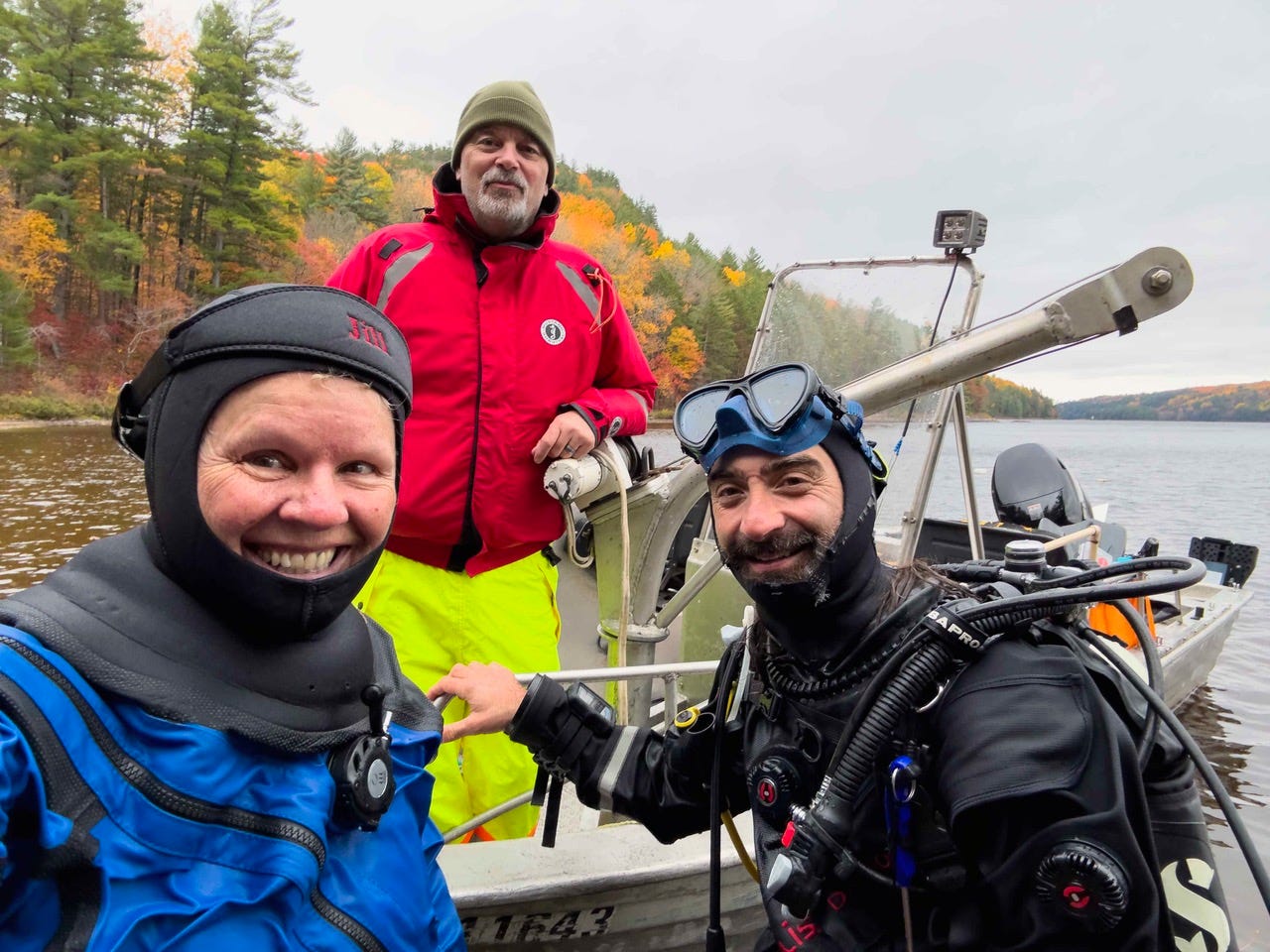
Above: Jill, Chris, and Mark on the Ottawa River
In Ottawa’s Federal Court of Appeal, the Kebaowek have taken a stand against Canada’s premier nuclear organization, challenging the approval of a landfill for radioactive waste at the Chalk River facility near Deep River. Their question to the court is both direct and deeply rooted in principle: Were the Kebaowek people truly consulted before this project was given the green light?
That question has grown into a test of how the United Nations Declaration on the Rights of Indigenous Peoples, or UNDRIP, will shape Canadian law in practice. The proposed near-surface disposal facility, would sit just one kilometre from the Ottawa River, a lifeline that provides drinking water to two million people. Much of this waste was left behind from the world’s first nuclear meltdown in 1952. Everything from mops and rags to irradiated tools and scraps has been stored here for seventy-three years, waiting for a safer resting place.
Our work, in contrast, looks at the living world still thriving around that troubled history. Through underwater surveys, we document mussel populations and benthic habitats, comparing species abundance upstream and downstream of the facility. Combined with studies of bears, wolves, and other wildlife roaming the Canadian Nuclear Laboratories property, the data helps scientists piece together the ecological mosaic of an area that has long been closed to the public.
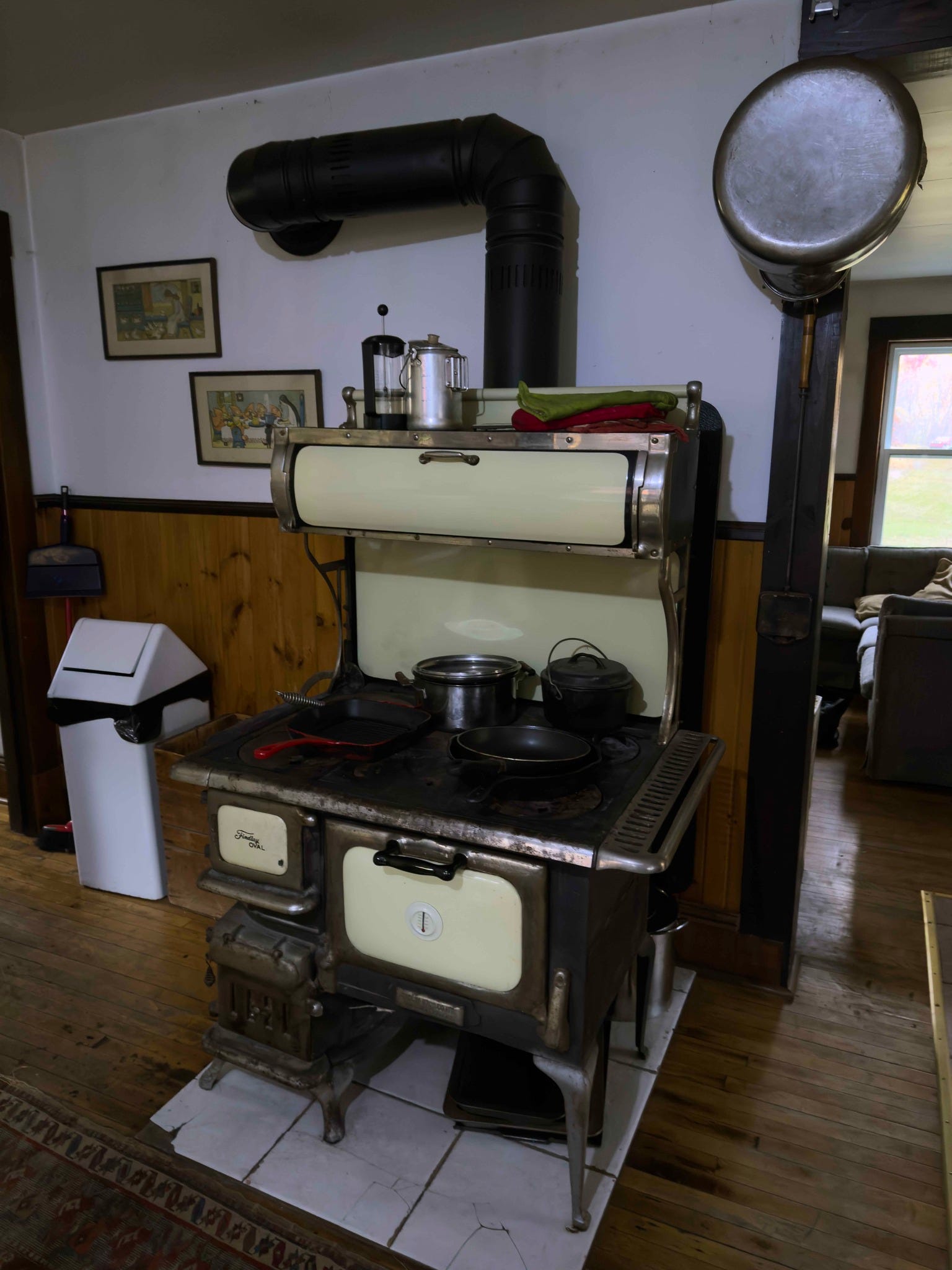
Above: The Findlay wood stove manufactured at a long-gone factory that stood around the corner from where Jill now lives
When I work in this region, I stay at an off-grid farmhouse nestled in the Laurentian Hills, near a sacred site known as Oiseau Rock, a place intertwined with the Thunderbird lore of the Algonquin people. The hills rise in waves of granite and pine, their slopes dressed in bright orange oak leaves that catch the evening sun. Springs trickle down through the rock to feed a clear pool that supplies water to the farmhouse and an old log-cabin lodge. The owner, Cam, lives as if time has loosened its grip here. Each winter, he and a few friends cut blocks of ice from the frozen river, storing them in an ice house that keeps food cool through the hottest months. The warmth inside the farmhouse comes from a sturdy Finlay Oval stove in the kitchen and another large woodstove in the living room. When the sun sinks, the absence of screens and electricity lets sleep settle over you naturally, like the forest’s own lullaby.
We work long days underwater, pushing our comfort until the cold numbs our fingers and our minds begin to drift with the current. Even here, the mighty Ottawa River can turn wild without warning. One afternoon, as we sheltered in a quiet bay to record our samples, I looked out and saw tall, standing waves marching down the channel, forty-knot winds bending the surface into a rippling sculpture.
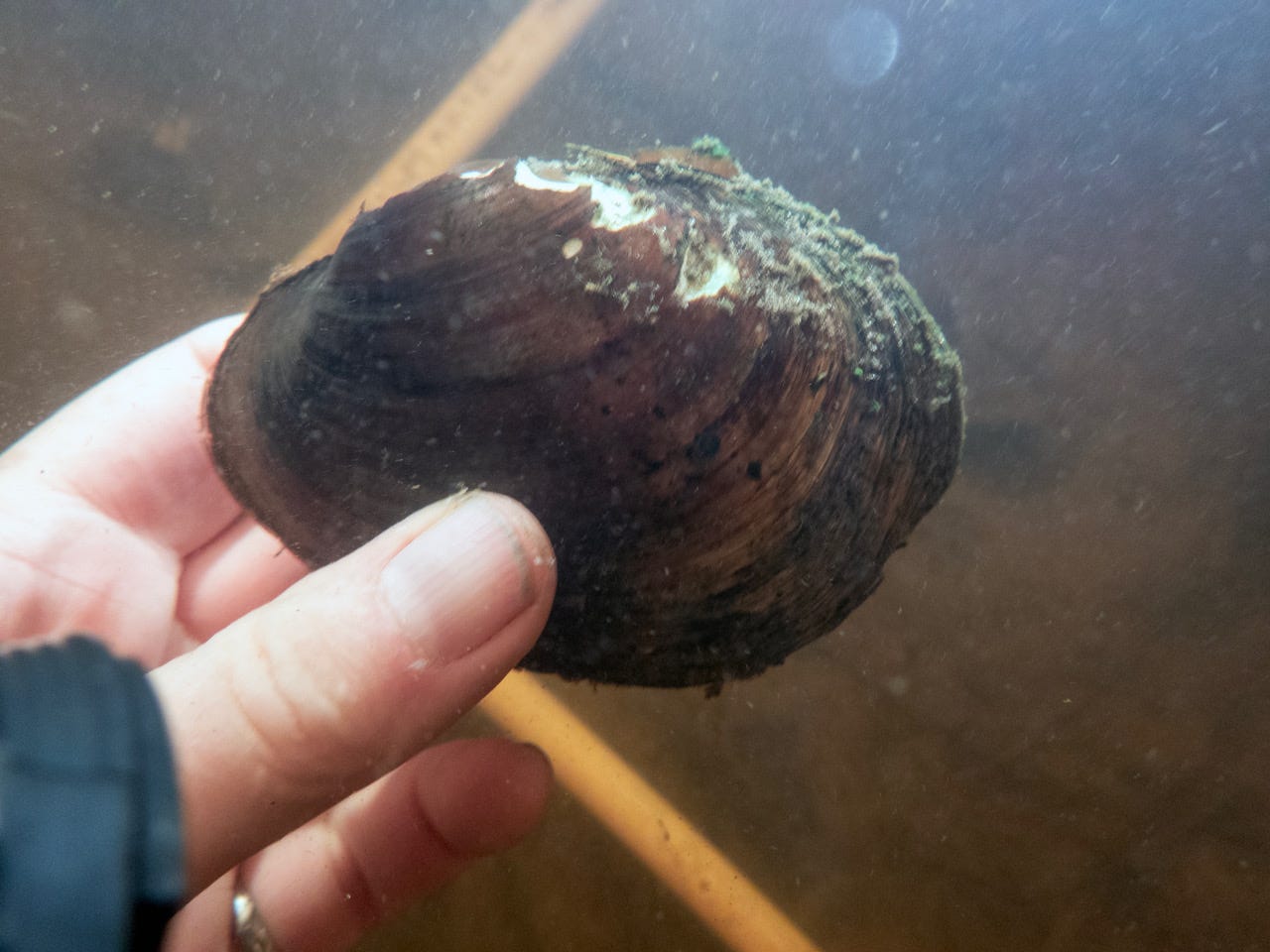
There is something humbling about this place where ancient rock meets the pulse of the river and the voices of its original stewards still rise in defence of the land. Beneath the surface, the mussels filter the water as they always have; above it, people fight to keep that water pure.
Working here reminds me that conservation is not just about data or policy—it’s about respect. It’s about listening to the land, to those who have known it longest, and to the quiet, enduring wisdom of the river itself.
Podcast - Jill and Robert share about being off grid and the conversations that sometimes go off a cliff!
You can listen to our podcasts on most major podcast platforms:
Apple -
Spotify - https://spotify.link/tMge7W3lJXb
Robert - New Music Discovery Day: Maple’s Pet Dinosaur
OK Boomer…I know I am not the target demographic of this little teenage band from Australia, but they are brilliant in their neo-punk rock niche. MPD remind me very much of the rock, new wave, and punk bands I was working with in the late seventies/early eighties. Some of these bands went on to have great careers, but they were raw and unfinished when I knew them: U2, The Clash, The Cramps, Culture Club, Bow Wow Wow, Psychedelic Furs…etc…etc. MPD has that same raw potential. Proof of their brilliance - In a world where bands spends thousands on “cinematic, AI enhanced” music videos, these kids made their debut vid using a Ring doorbell camera. Share this with a teenager in your life! Enjoy:
Thanks again for visiting with us this week. Our newsletter is 100% original columns from Jill - and Robert’s carefully curated video content to widen your horizons - no A.I. in this soup! Please share with your tribe. Love One Another!
The fight to leave the little bit of our planet unaltered and unpolluted to the point that it makes us sick, is actually the fight of our lifetime! As overwhelming as everything else is, if we don’t get this one right, nothing else matters. Thank you Jill, for all you do it’s such important work.
Cam’s house sounds amazing right now, I find myself more and more dreaming about a life without being saturated by technology and the life it has created.