

Ocean Friendly Conferences
Jill Heinerth
Ocean-Friendly Meetings
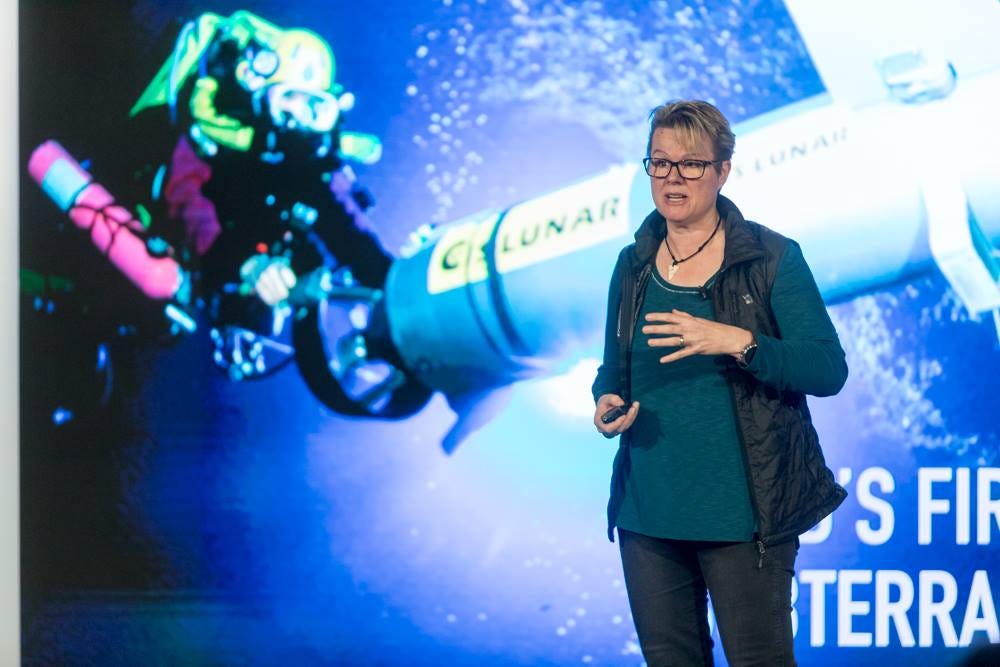
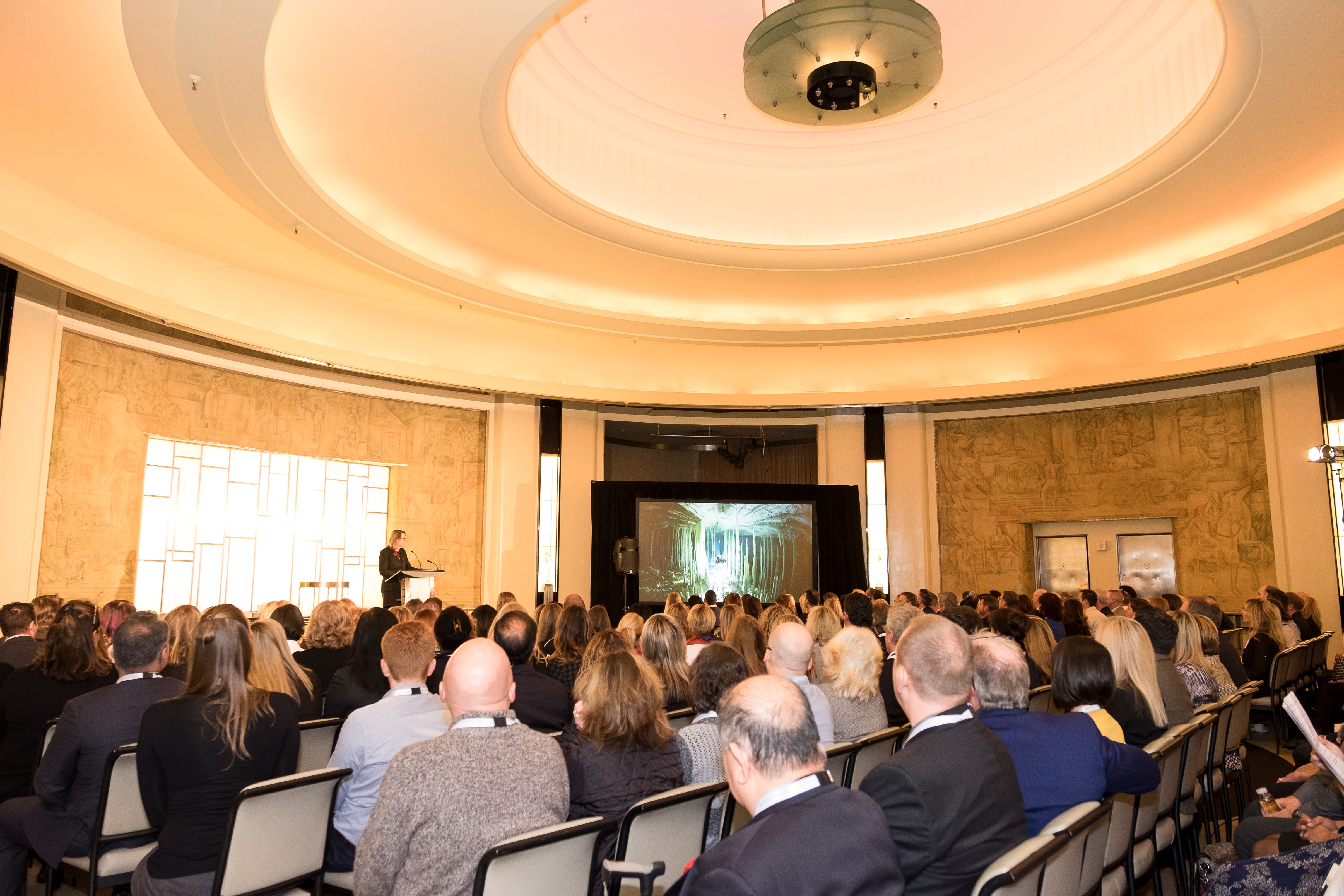
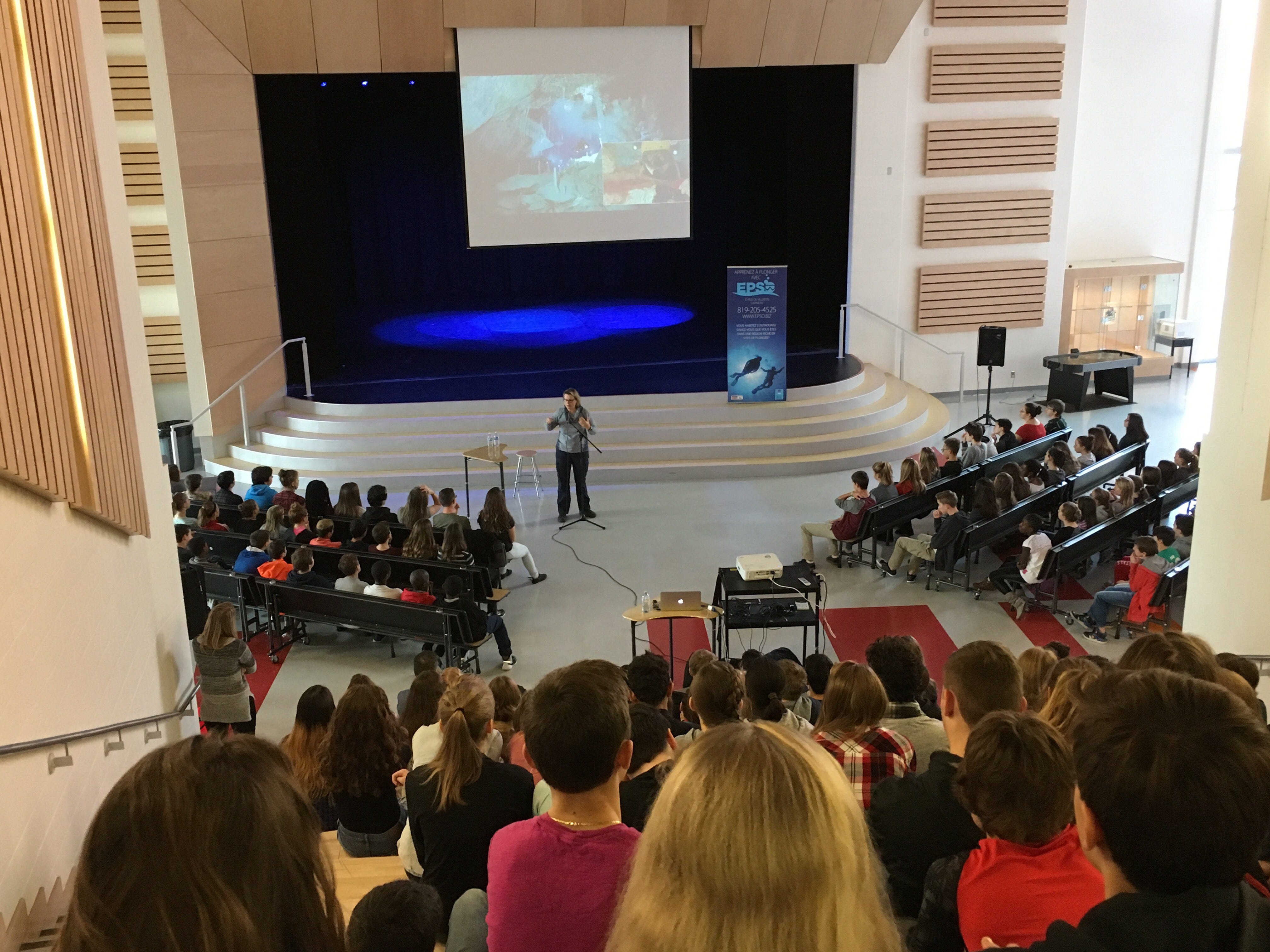
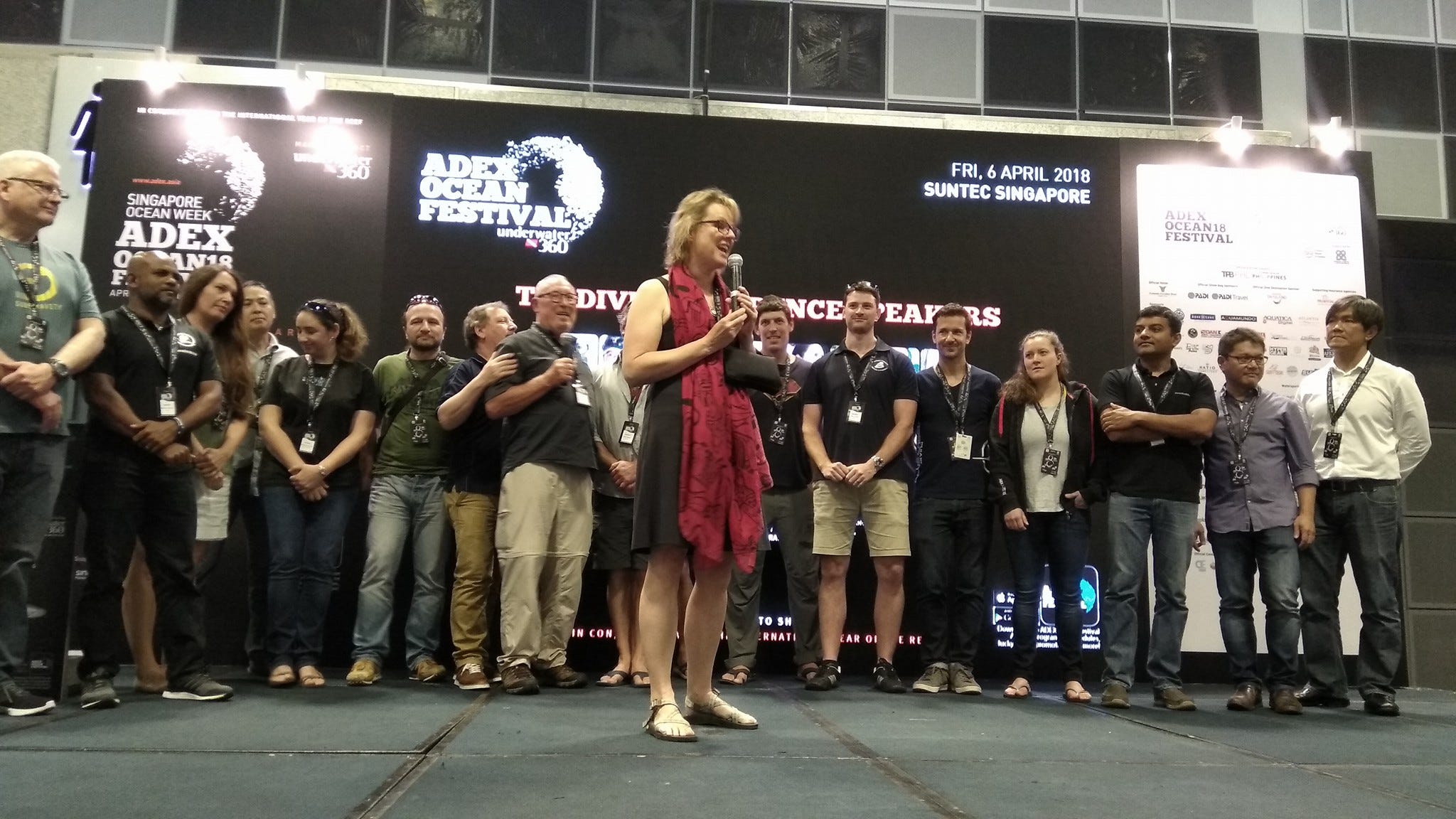
I do a great deal of corporate keynote speaking and attend a wide variety of conferences and meetings. I have presented to organizations including Google, SpaceX, pharmaceutical companies, insurance groups and academic institutions. While sharing ideas about teamwork, trust and risk, I also pay attention to how these gatherings are organized in an increasingly environmentally conscious world.
I always weave some environmental awareness into my presentations, but if I were organizing a convention today, these are some of the steps I would take to reduce its environmental footprint. Whether you are organizing a small club meeting or a large conference, try to integrate these sustainability principles into your plans.
For Event Organizers and Vendors
• Appoint a sustainability lead for the event.
• Set measurable targets for waste, energy, food, transportation and purchasing.
• Ask suppliers to report their environmental practices before contracts are awarded.
• Publish results after the event, including what worked and what needs improvement.
• Survey attendees about sustainability efforts and invite practical suggestions.
• Choose venues with credible environmental certifications or published sustainability policies.
• Give exhibitors and attendees clear, practical guidance based on the principles of refuse, reduce, reuse and recycle.
• Establish an environmental pledge with measurable conservation goals for the event and industry. Recognize or reward exhibitors who meet the standard and create a logo that participating vendors can display when they honour the pledge.
• Provide water refill stations and eliminate disposable plastic water bottles. Choose beverage vendors willing to fill reusable containers.
• Ban single-use plastic food-service items, packaging, giveaways and individually wrapped candy.
• Use plastic-free name badges and eliminate clear plastic badge holders.
• Minimize printed materials. Replace show guides and brochures with a digital event app accessed through a QR code.
• Ask exhibitors who must print materials to use recycled and recyclable paper.
• Encourage vendors to display environmentally responsible products, travel kits and branded materials.
• Offer a reusable, plastic-free event bag, cup or other practical item.
• Allow only eco-friendly giveaways such as bamboo pens, metal straws, reusable cutlery, fabric bags, cloth napkins or reusable travel dishes.
• Insist on reusable, washable serving items that can be donated after the event.
• Invite food vendors to offer discounts to attendees who bring reusable cups or mess kits.
• Provide clearly marked recycling and composting stations with consistent signs showing exactly where each item belongs. Assign trained volunteers or staff to help guests sort waste correctly.
• Ban foam board, vinyl banners and other difficult-to-recycle display materials, or pre-arrange giveaways of vinyl banners as ground sheets for dive sites.
• Use reusable signage with replaceable date and event panels.
• Encourage local fabrication and rental of exhibit materials.
• Create a depot of shared equipment, tools, carts and storage among exhibitors.
• Ban balloons, confetti and glitter.
• Rent display furniture rather than purchasing new pieces. When new materials are necessary, arrange for them to be reused or donated afterward.
• Partner with Goodwill or another local organization to collect unwanted materials during event breakdown for reuse or repurposing.
• Organize and encourage collaboration among members through group purchasing, shared rental resources and combined advertising.
• Ask exhibitors hosting receptions to serve only sustainable food and avoid seafood species we would rather encounter alive in the ocean.
• Make plant-based meals the default, with other options available by request, and share meaningful information about food sustainability.
• Choose seasonal, locally produced food and pre-arrange for safe, untouched surplus food to be donated.
• Serve condiments, milk and sweeteners in bulk rather than individual packets.
• Avoid air-freighted foods and high-impact menu items.
• Create environmentally-themed photo frames or displays that allow attendees to publicly support a specific conservation pledge on their social media.
• Donate a portion of event proceeds to a designated environmental organization.
• Provide shuttle service from conference hotels to reduce individual vehicle use and parking demand.
• Offer a virtual attendance option for people who do not need to travel.
For Conference Attendees
• Bring a refillable cup or water bottle.
• Carry a reusable mess kit with cutlery, a napkin and a food container.
• Refuse disposable plastics and other single-use items.
• Decline brochures, paper and promotional products you will not use.
• Photograph business cards or exchange contact information digitally.
• Support sustainable businesses and vendors with your purchases.
• Be an environmentally responsible hotel guest: reuse towels, decline bottled water and refill your own coffee cup rather than relying on disposable in-room amenities.
• Walk, cycle or take public transit whenever possible.
• When driving is necessary, carpool or share a ride with other attendees.
Conferences bring people together to exchange ideas and imagine better ways of working. Environmentally conscious policies can save money as well as the planet. With thoughtful planning, they can also demonstrate those values in action—reducing waste, supporting responsible businesses and showing that even temporary gatherings can leave a positive legacy.
There has been a lot of conversation, pro and con, regarding Data Centers. Here is our personal Data Center, tucked into a corner of our condo!

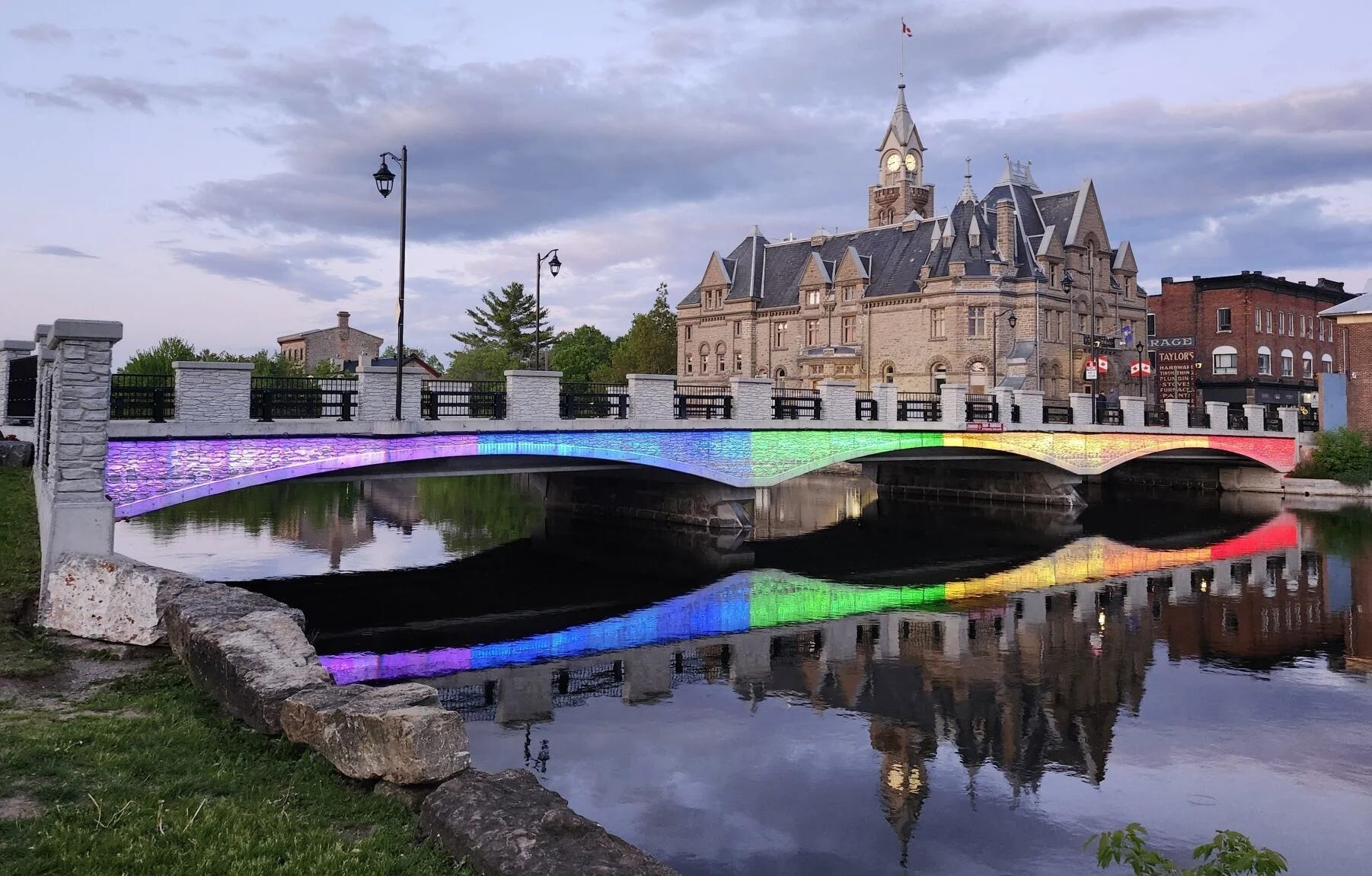
We live in a small “Main Street Town” - Carleton Place - about 40 minutes outside the Canadian capital of Ottawa, Ontario. We consider our town an inclusive and progressive place to live. Each year since we have been here, the Council and local business organizations make sure to mark Pride Month in June, and organize a variety of events that help our LGBTQ+ neighbours to feel welcome. This month, our newly renovated bridge across the Ontario Mississippi River is lit in beautiful rainbow colours!
Summer Songs
Heart - “Crazy On You”
All the way back from 1972 to 1981 there was an NBC TV program that aired at midnight on Saturdays - this cutting edge music show was appropriately called “The Midnight Special.” It was one of the first live popular music programs on network television, and started nine years before anyone ever heard of MTV Music Television. This groundbreaking 90-minute program featured live performances from top rock, pop, soul, and country artists, and introduced many of us to the top stand up comedians of the time.
Keeping with our “Summer Songs” theme, here’s a song from the summer of 1977: Ann and Nancy Wilson’s Seattle-based group HEART with “Crazy On You.” No auto-tune, no overly produced effects, just raw live rock music delivered by a couple of incredibly talented sisters.
I know I’ll get some push back on this but I think Nancy Wilson is one of the most under appreciated guitar players of the modern rock era. She was heavily influenced by another Seattle native, Jimi Hendrix, and it really shows in this next clip: “Barracuda” from Heart’s Rock and Roll Hall of Fame induction in 2013.
Thanks for being here with us, and have a great week

!
Thank you Jill, those are great reminders for both organizers and consumers! It is way past the time when we all should be participating with awareness of our footprint!
Robert, agree with you on Nancy guitar skills! She is amazing, we love Heart!
I admit to mentally rolling my eyes at the beginning of your article and ended up impressed with your list of practical suggestions and ideas! I will share it along.