

The Healing Arctic
The Power of Travel
In the weeks following my recent surgery, I felt like a tender shoot pushing up through dense soil. I was straining toward the light and something vital, but I was unsure if I had the strength to grow tall or the resilience to avoid being crushed underfoot. The desire to travel again, to return to the Arctic, a place I loved deeply, was growing louder within me. But was it too soon?
Robert, navigating his health challenges, was still fragile. The timing felt precarious and almost like walking on thin ice. But both our doctors and Robert himself offered gentle encouragement: Go, they said. Go somewhere that calls to your soul. Go back to the work that fills you. And so I left, with hope in my chest and doubt tucked into the corners of my suitcase.
Two days into the trip, the romanticism was faltering. My body felt sluggish. I was tired and disoriented, tangled in the new routines of medications that required meticulous timing and coordination with meals. Mornings were a struggle as I waited for the right moment to eat, often enduring hunger on a hike, to ensure my body could absorb what it needed. I smuggled small snacks in the insulated folds of my winter gear and used my Apple Watch like a nurse, setting alarms to stay on track.
I have never lived this way before, by schedule, by prescription, by constraint. I am "organic girl," once led by impulse and wild curiosity, not by pill bottles and alarms. The freedom I once enjoyed now has parameters, and I wasn't sure how to feel about that.
Then came the lingering foggy side effects of anesthesia, and the uncomfortable vulnerability of having to search for once-familiar words. I was having trouble retaining the names of my new friends. My body, stitched with a "zipper" scar across my neck, reminded me to be careful. To be clean. To protect myself and to adapt.
But humans do adapt.
More than that, we evolve. And when we travel, we are given the raw materials for transformation.
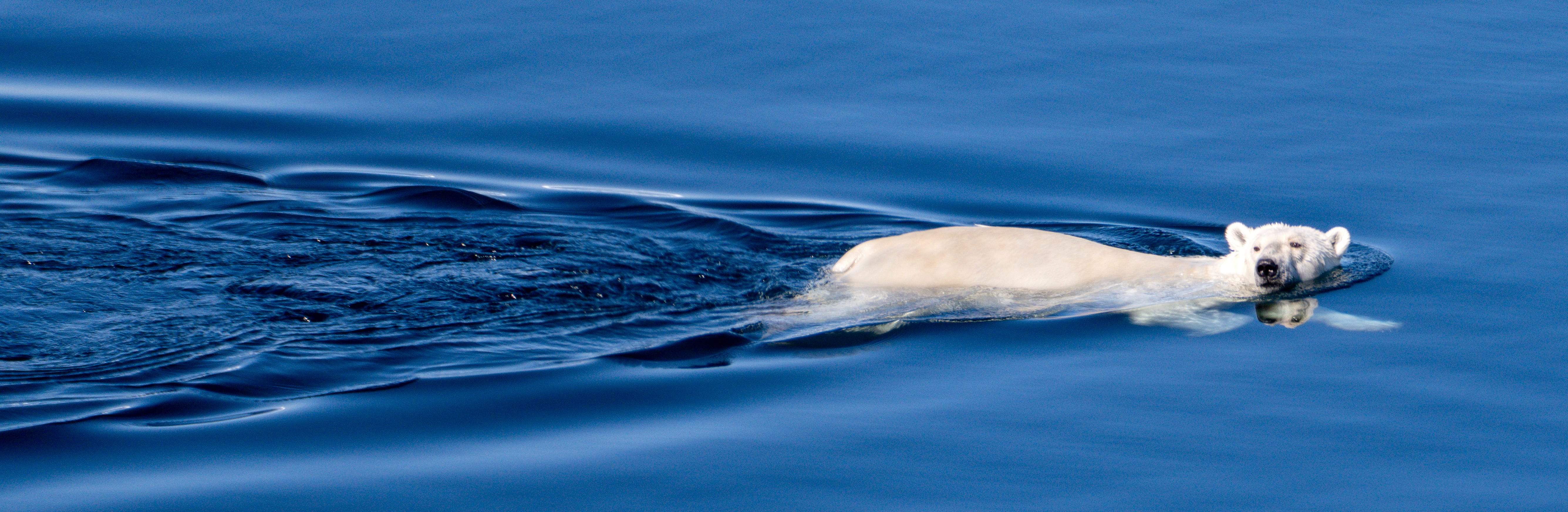
As the days passed, something shifted. Amid the icy silence of the Arctic, I found a kind of internal stillness I hadn't realized I'd lost. Novelty met me around every corner: glacial blue horizons, the primal thrill of watching a polar bear swim, the hush of light rain on soft, ancient tundra. The world seemed to whisper reminders that life is resilient and that beauty exists, even in extremes.
The Inuit community offered something deeper than hospitality. They gave me perspective. Their stories span generations, grounded in survival, reverence, and an understanding of balance. Their way of life, carved from ice and tradition, made my medical complaints feel small, and they reminded me that fragility is not a flaw. It's a state we all pass through like seasons, or migrations.
In those places of wildness and wonder, I remembered what travel offers: renewal, not escape, and clarity rather than distraction.
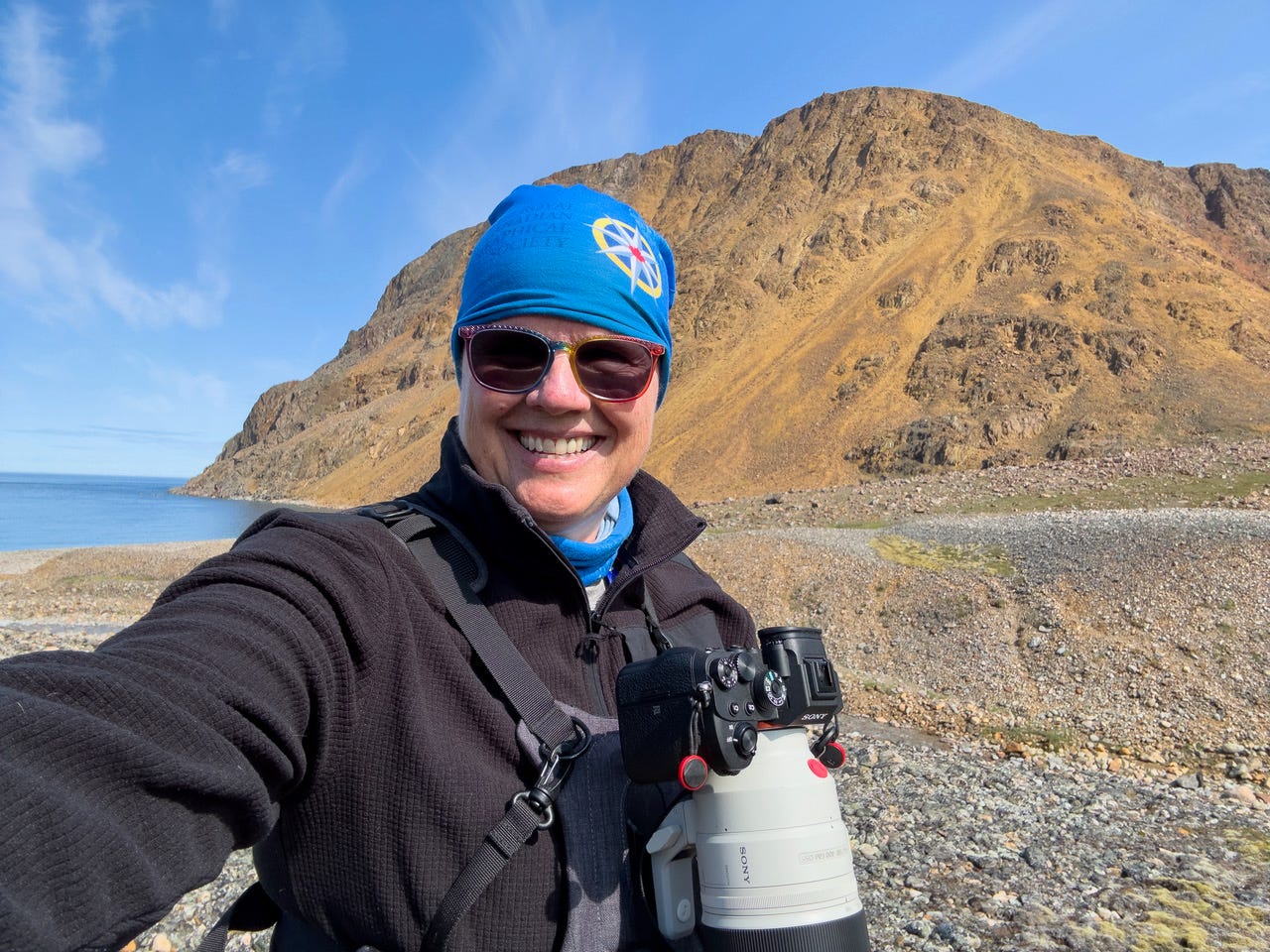
We don't go to the edges of the earth to forget who we are. We go to remember. We travel to see ourselves in unfamiliar mirrors and meet the parts of us that only awaken when everything else is stripped away.
Travel, especially in the wake of hardship, doesn't promise comfort. It offers revelation, disclosing a reflection that isn't distorted by routine or roles, but shaped by mountains, languages, silence, and strangers. It teaches you that healing is not linear, and that your spirit, like the rocky landscape, can be both wounded and wild, scarred and still beautiful.
In the Arctic, I didn't find escape. I saw something better: a return to the essence of who I am becoming.
And that could be the real power of travel.
The journey isn't about leaving life behind. It's about re-entering it more awake, open, and intensely alive.
Robert McClellan
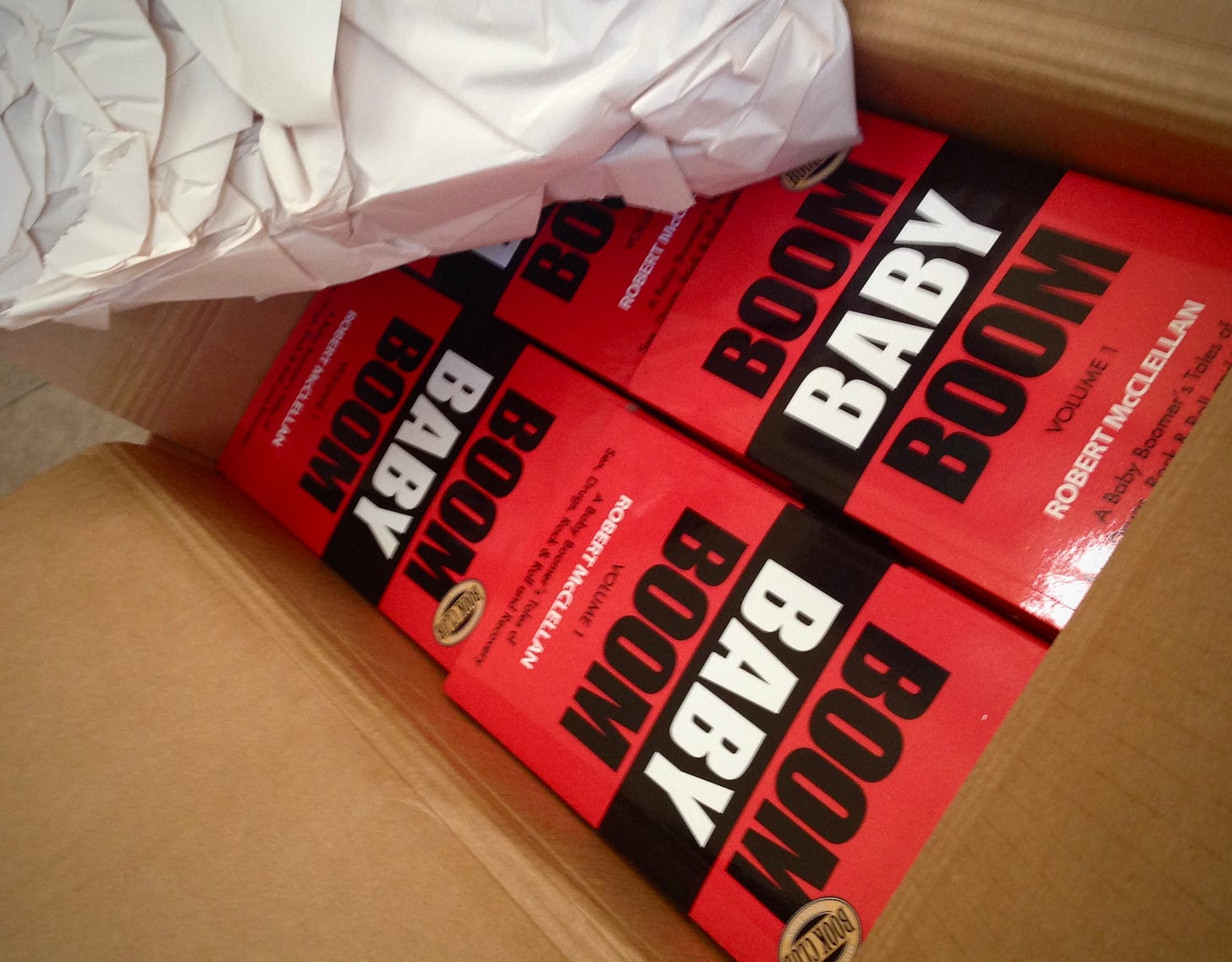
Many years ago I wrote a book of essays and short stories called “Boom Baby Boom.” Some of them are good. Some are excellent. Some are pure self-indulgent crap. The book is still available on Amazon here.
This is one of the shortest compositions:
RASTA BUDDHA
It is a prematurely gray and wet summer afternoon in Manhattan. The wind is blowing sheets of rain sideways, claiming dozens of cheap umbrellas. Brightly colored women dart from office buildings, splashing through greasy puddles in three hundred dollar shoes, diving into the open doors of steamy taxicabs. Jill and I take refuge at the Borders coffee shop in the Time Warner building. We have an appointment many floors above us at the CNN Network offices.
As she finds a restroom, I order two soy mochas from a middle-aged, handsome, Jamaican man with the softest brown eyes I have ever seen. He is training a younger, darker, troubled soul with a heavy Nigerian accent. The African man’s stormy demeanor mirrors the weather. As they work the cash register together, I step up to pay for the drinks. The younger employee is having difficulty mastering the computer-based system and can’t make correct change. The older fellow attempts to help.
“You’re making me angry!” the frustrated trainee snaps.
“No, little brother,” the Jamaican gently replies, “I can’t make you anything…your anger has roots in your heart.”
Telling them to keep the change, I intercept my wind-blown wife.
“I met The Buddha - he works the coffee counter, “ I say.
Embracing her, I spy an empty café table and we retreat to its warmth.
Canadian Music Summer - Tom Cochrane

If you are of a “certain age” it is a good bet you have blasted “Life Is A Highway” from your car’s speakers as you sung it at the top of your lungs on a road trip. Once again, I surmise that many of you had no idea that Tom Cochrane is Canadian. Born in Manitoba and raised in the Toronto area, Cochrane first rose to prominence as the front man and songwriter of the rock band “Red Rider.” Their most famous song is “Lunatic Fringe”, which is covered by almost every semi-pro heavy metal band in bars and pubs across the planet. He went solo in 1991 and his first major single release, “Life Is A Highway” became a huge global success. The song, and Tom, are considered rock icons in Canada and at the recent 2025 Canada Day celebration in Ottawa, Cochrane played it along with an All-Star band as the concert’s finale. He still sounds great and I think this song will be played on classic rock playlists for decades to come.
Please share your “analog” music with the digital young people in your life!
All good here. We are making art, listening to music, enjoying preparing healthy food and taking good care of each other. Please - go out into this messy world and LOVE ONE ANOTHER.
Hey Jill, you wrote a quote about travel. Here is mine:
"Every day is a journey; And the journey itself is home." Matsuo Basho
Enjoy the Arctic!
Beautifully written word, Jill.